
Blog, Garden Blog, Garden Tips
Mulch Makes a Difference!

Feb
Got Weeds? Need to hold water in the soil?
Mulch can help with these things and more. And you can save 15% on your bulk mulch order placed before February 24, 2024. We have discounts on delivery too. Pick up or take delivery at your convenience, by appointment, by April 30, 2024. Get all the details here.
Mulching is one of the simplest and most beneficial practices you can use in the garden. Mulch is a protective layer of a material designed to be spread on top of the soil. Mulch helps conserve and extend available water, protects the soil from erosion, reduces competition by suppressing weeds and moderates temperature extremes. Too much or improperly applied mulch can damage trees and plants. Our Pro Staff can answer any questions you have about when, what type and how much mulch to spread.
PRO TIP: Avoid “volcano mulching” trees to prevent trunk rot. Don’t pile mulch directly against the base of any tree.
More information on mulching is available at www.usda.gov.


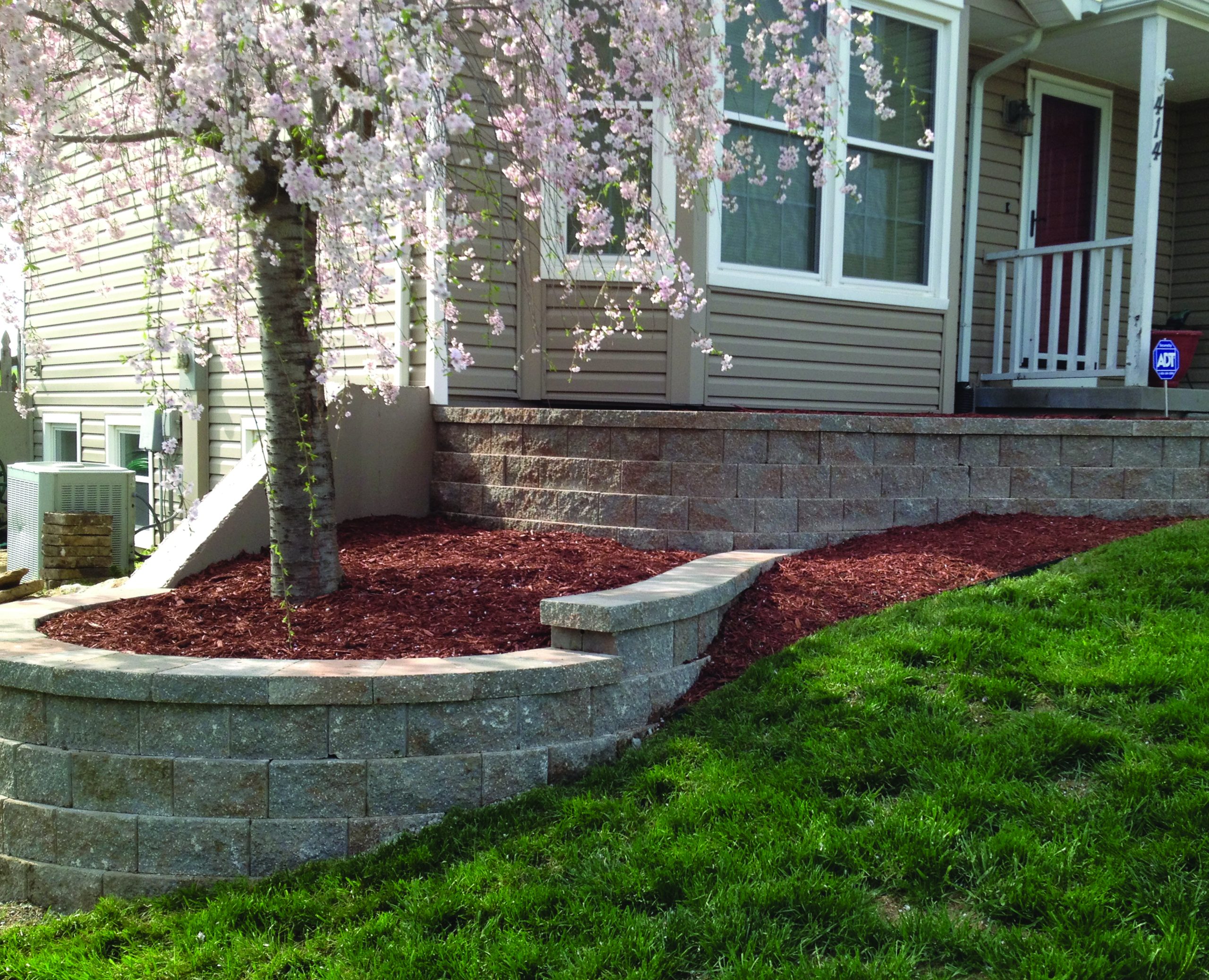
In addition to making your outdoor space attractive, increasing curb appeal and improving property value, mulch can improve soil structure and fertility, which is a great benefit where soils are compacted and lack organic matter, as often occurs in urban landscapes, as well as on new construction sites. According to the International Society of Arboriculture, mulching, when done correctly, is one of the most beneficial practices a homeowner can do for the health of a tree or shrub.
Mulching mimics the natural environment found in forests where leaves and branches blanket the soil surface, replenishing nutrients as they decompose and creating an ideal environment for root growth. Urban landscape trees and shrubs typically grow in much harsher environments with soils modified by human activities (e.g., construction, lawns, and compaction). A 2- to 4-inch layer of mulch can re-create aspects of a forest’s soil environment.
If you’re interested in more information on mulching trees, read more here.
