
Blog, Garden Blog, Garden Tips, Landscape Installation
Rock your landscape – we have what you need (Part 1)
Aug
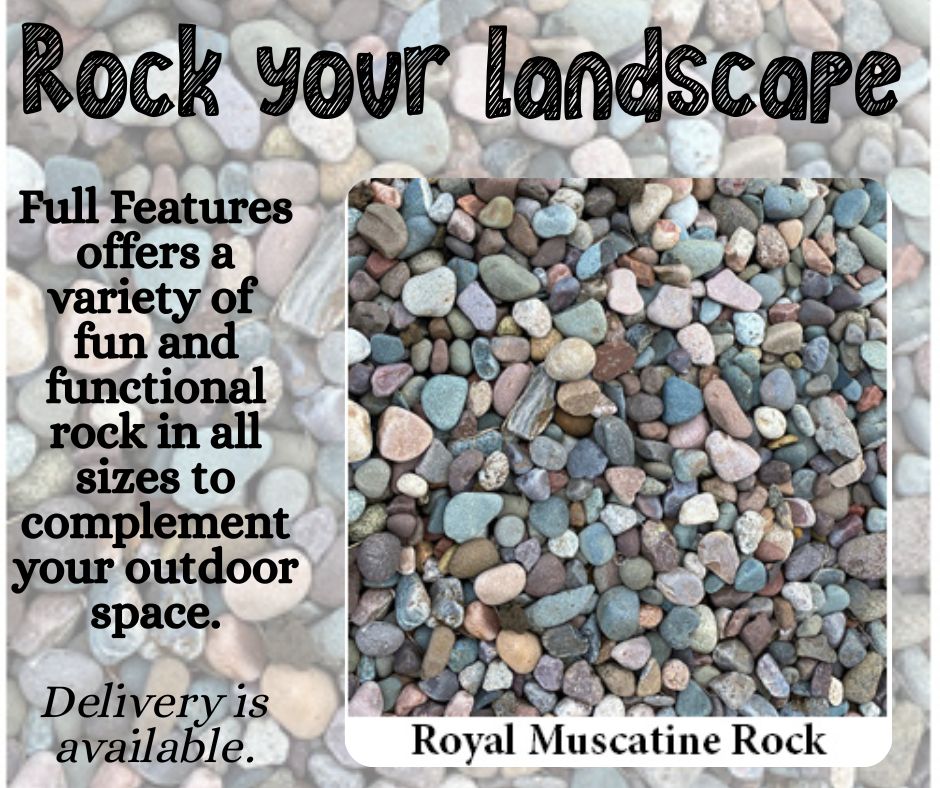
Decorative rocks and boulders enhance your outdoor space and can increase the value of your home. Choose from a fun and functional variety at Full Features Landscape and Garden Center.
We’ll share with you here some of the benefits of using rock in your landscaping. If you have questions or need some inspiration or guidance, call or stop by our Garden Center – our Pro Staff will be glad to help! Watch our garden blog, The Full Scoop, this week for more information and inspiration on using rock and boulders in your outdoor space.
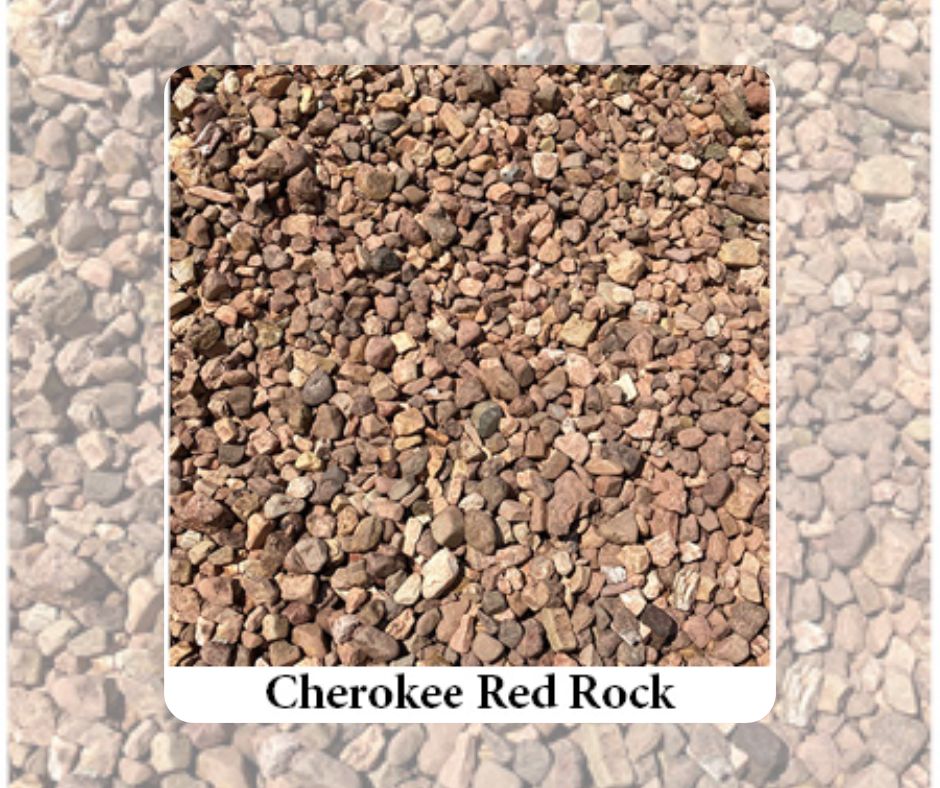
Landscaping is a blend of art and science, integrating aesthetics and environmental mindfulness with practical function. Among all the materials available to the gardeners or DIY landscapers, rock stands out as one of the most versatile and durable. From a one-of-a-kind, boulder as a focal point, a ribbon of gravel guiding the way along a garden path, or a carpet of river rock gracing dry creek beds, the incorporation of stone into the landscape offers a host of benefits. Let’s take a look at some of the practical, economic, environmental and maintenance considerations of incorporating rock into your landscape
Using rock and boulders in your landscape and has many benefits. Let’s take a look at just some of them here.
Low Maintenance and Durability
One of the chief appeals of using rock in landscaping is its exceptionally low maintenance requirements. Rocks do not decompose, blow away in the wind, or need to be replenished annually. Their longevity saves you money and labor. Properly-placed rocks require only minimal upkeep—occasional rinsing to keep them clean, or weeding if any opportunistic plants manage to find a foothold.
Rocks are remarkably durable. Resistant to the ravages of sun, rain, snow, and temperature fluctuations, they retain their beauty year after year. In high-traffic areas, such as walkways or patios, rocks withstand foot traffic and heavy use. They do not rot and do attract termites.
Water Conservation
With climate change and drought increasingly at the forefront of environmental concerns, making water conservation in the landscape a necessity. Rocks play a pivotal role in reducing or eliminating the need for supplemental irrigation. By using rocks as ground cover, in dry riverbeds, or as mulch around drought-tolerant plants, you can dramatically cut back on the need to water.
Rocks help retain moisture in the soil by reducing evaporation, especially when used as mulch. They moderate soil temperatures and reduce the need for frequent watering. Stones do not absorb water themselves, ensuring that precious moisture remains available for plant roots.
Weed Suppression and Pest Control
Suppression of weeds and the control of pests are two top concerns for in most garden and outdoor spaces. Rocks, when used as mulch or ground cover, provide an effective barrier against weed growth. When placed over a weed-blocking fabric, rocks further inhibit the germination and emergence of unwanted plants. Because rocks do not decompose, they do not create a hospitable environment for weed seeds, and their weight makes it difficult for even the most persistent intruders to break through.
Rocks deter many common garden pests. They provide no nourishment for insects such as termites and slugs, and they do not harbor fungal spores that can attack plants. By creating a less inviting environment for pests and diseases, rocks promote a healthy landscape with less need for chemical interventions.
Design Versatility and Aesthetic Appeal
Rocks and boulders are unparalleled in their ability to enhance the beauty and character of outdoor spaces. Nature provides an astonishing palette of textures, colors, shapes, and sizes, from the smooth pastels of river stones to the bold drama of jagged slate. Whether your design is DIY or created by an expert, rocks can be incorporated into landscapes that range from tranquil Zen gardens to vibrant, contemporary outdoor living spaces that enhance your enjoyment of your outdoor space and the beauty of your property.
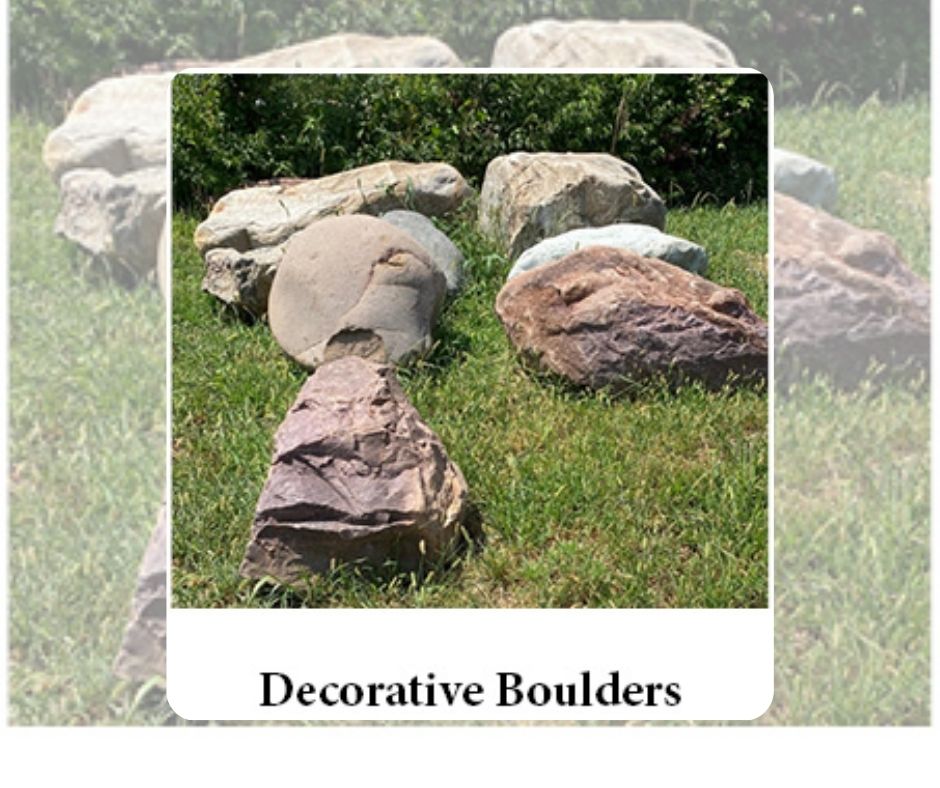
Rocks can be used to create visual interest, define spaces, and add architectural elements. They are ideal for building retaining walls, edging, pathways, water features, and focal points. A carefully placed boulder can lend a sense of permanence and strength to a garden, while a winding gravel path invites exploration.
The reflective quality of stones is accentuated by the shifting light throughout the day, creating a dynamic landscape that changes with the seasons. In winter, rocks retain their texture and color, providing year-round structure and visual interest when other elements have faded.
Environmental Benefits and Erosion Control
Landscaping with rock is ecologically responsible. Rocks help prevent soil erosion by stabilizing slopes, riverbanks, and other vulnerable areas. Rocks act as a buffer in areas prone to heavy rainfall, slowing runoff and allowing water to percolate more gradually into the soil. This can reduce the risks associated with flooding, soil compaction, and nutrient loss.
In addition, the use of locally sourced stone reduces the carbon footprint associated with importing landscaping materials. Many types of rock are available regionally, supporting local businesses and minimizing transportation emissions.
Some content generated using AI.
